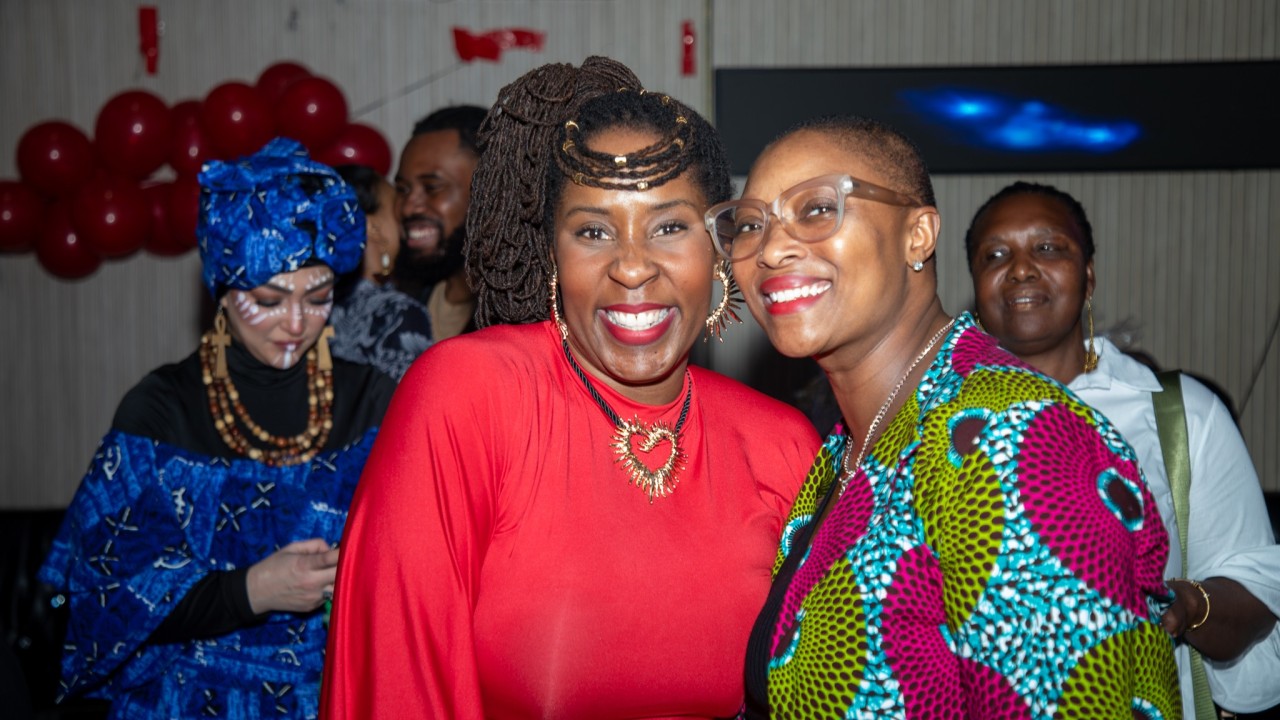
Fashion has always been more than clothing. It is a language of identity, a reflection of culture, and an evolving expression of how we see ourselves and the world around us.
Every September, the international fashion industry turns its attention to the runways of New York, London, Milan, and Paris. Designers introduce their latest collections; photographers capture defining moments, and fashion editors interpret the styles that may influence what we wear in the seasons ahead.
Yet beyond the spectacle of the runway, a more compelling story continues to emerge. Fashion is becoming an increasingly visible conversation about identity, representation, cultural heritage, and individuality.
And perhaps the most interesting question is no longer simply what we will wear next season, but who is shaping the future of fashion?
Fashion as a Cultural Language
Long before fashion became a global commercial industry, clothing served as an expression of cultural identity. Traditional textiles, ceremonial garments, patterns, colours, and craftsmanship communicated stories about communities, ancestry, social relationships, and belonging.
Across Africa, Asia, the Caribbean, Europe, and the Americas, generations of artisans developed distinctive approaches to clothing that reflected their environments, traditions, and cultural experiences. Today, these influences continue to shape contemporary fashion.
Designers increasingly draw inspiration from personal histories, migration, cultural exchange, and the communities that helped define their creative identities. For designers connected to the African and Caribbean diasporas, fashion can become a particularly powerful form of storytelling. It offers opportunities to reinterpret inherited traditions through contemporary design while introducing cultural perspectives that have not always received equal recognition within the international fashion industry.
But cultural influence also raises questions about authorship. When traditional designs, textiles, or cultural symbols appear on international runways, who receives recognition for their origins? And how can the fashion industry celebrate cultural exchange while respecting the communities that contribute to its creativity? These are conversations worth having beyond Fashion Month.
The Changing Face of Fashion
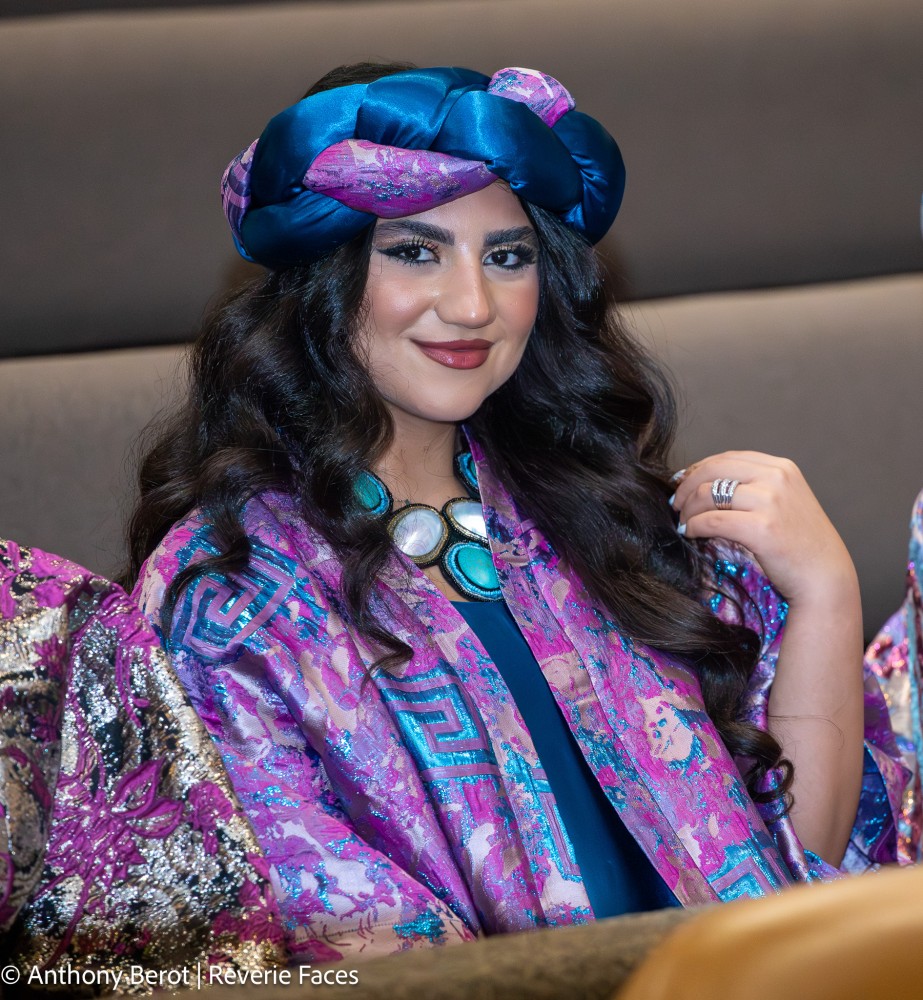
Fashion has traditionally promoted relatively narrow ideals of beauty. For decades, international runways, advertising campaigns, and editorial photography often reinforced particular expectations concerning body proportions, age, appearance, and cultural identity. Those conventions have increasingly challenged.
Models, designers, photographers, and audiences are questioning who should be represented and how beauty should be defined. Greater visibility for models from different cultural backgrounds has expanded the visual language of fashion.
However, representation involves more than placing diverse faces on a runway. Meaningful inclusion requires opportunities throughout the industry, including creative direction, design, photography, styling, publishing, and business ownership. It also requires acknowledging that progress remains uneven.
The fashion industry has become more aware of the importance of diversity, but awareness does not automatically translate into lasting structural change. The challenge is to move beyond occasional gestures of inclusion and make representation an established part of how fashion operates.
Individuality Over Uniformity
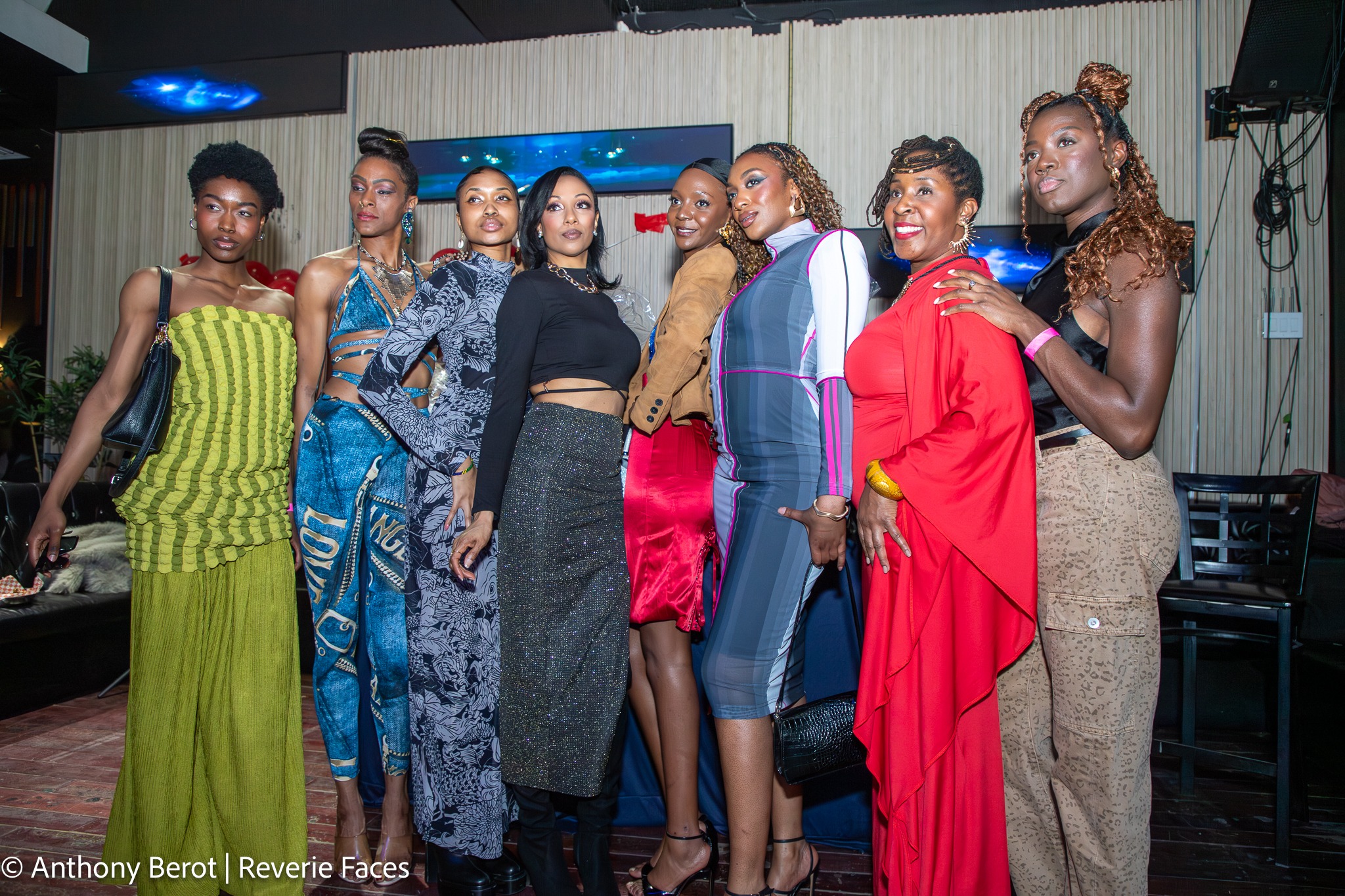
Photography by Anthony Berot
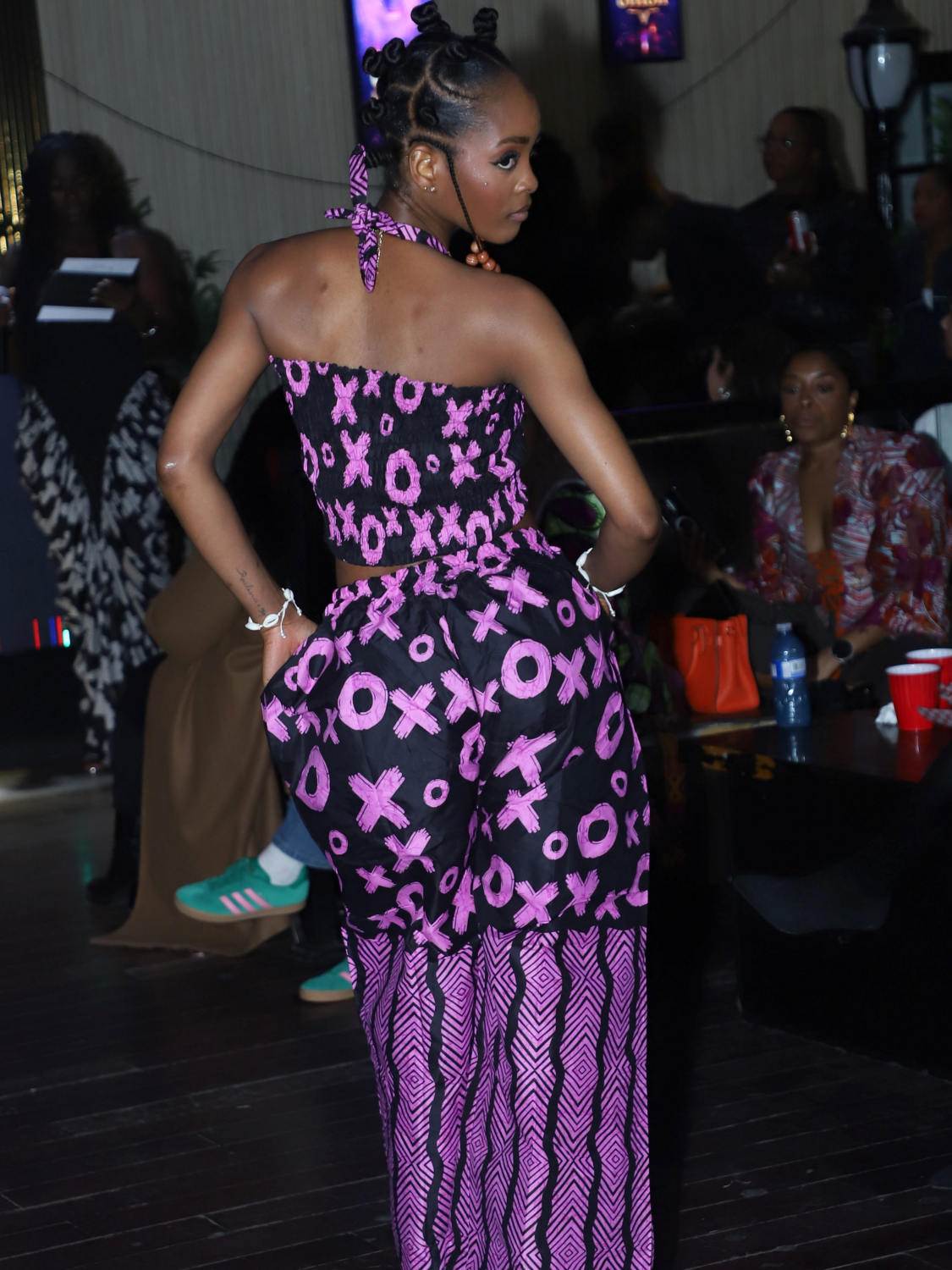
One of the most interesting developments in contemporary fashion is the growing emphasis on personal expression. Rather than following a single dominant aesthetic, designers and consumers are increasingly exploring contrasting styles, unexpected combinations, and individual interpretations of clothing. Fashion is becoming a space where personal identity can challenge established conventions.
This is particularly evident among younger designers and emerging creative communities. Their work frequently crosses boundaries between fashion, music, visual art, performance, and cultural expression. The result is a creative environment in which style is less about conformity and more about communicating from an individual perspective.
For fashion photographers, this evolution is equally significant. A compelling fashion image is not simply a record of an outfit. It captures the relationship between the garment, the person wearing it, and the story being communicated. Expression, movement, confidence, and personality can transform clothing into a visual narrative.
The model becomes more than a presentation surface for the designer's work. The individual becomes part of the story.
The Influence of the Global Diaspora
International fashion conversation is no longer defined exclusively by traditional fashion capitals. Creative communities throughout Africa, the Caribbean, Latin America, and the global diaspora contribute distinctive perspectives to contemporary style. Their influence can be seen in textiles, silhouettes, colour, craftsmanship, music, and the broader cultural experiences that inspire designers.
In cities such as Toronto, where multicultural communities contribute to a vibrant creative environment, fashion provides an important platform for cultural exchange. Emerging designers can draw from their heritage while developing work that speaks to contemporary audiences.
For Caribbean and African diaspora communities, fashion can also serve as a means of preserving cultural knowledge. Traditional techniques can be reinterpreted, historical references can inspire new collections, and personal stories can become part of a designer's creative identity.
This relationship between heritage and innovation demonstrates that cultural fashion does not need to remain confined to traditional or ceremonial settings. It can evolve, adapt, and participate fully in contemporary design.
Beyond Fashion Month
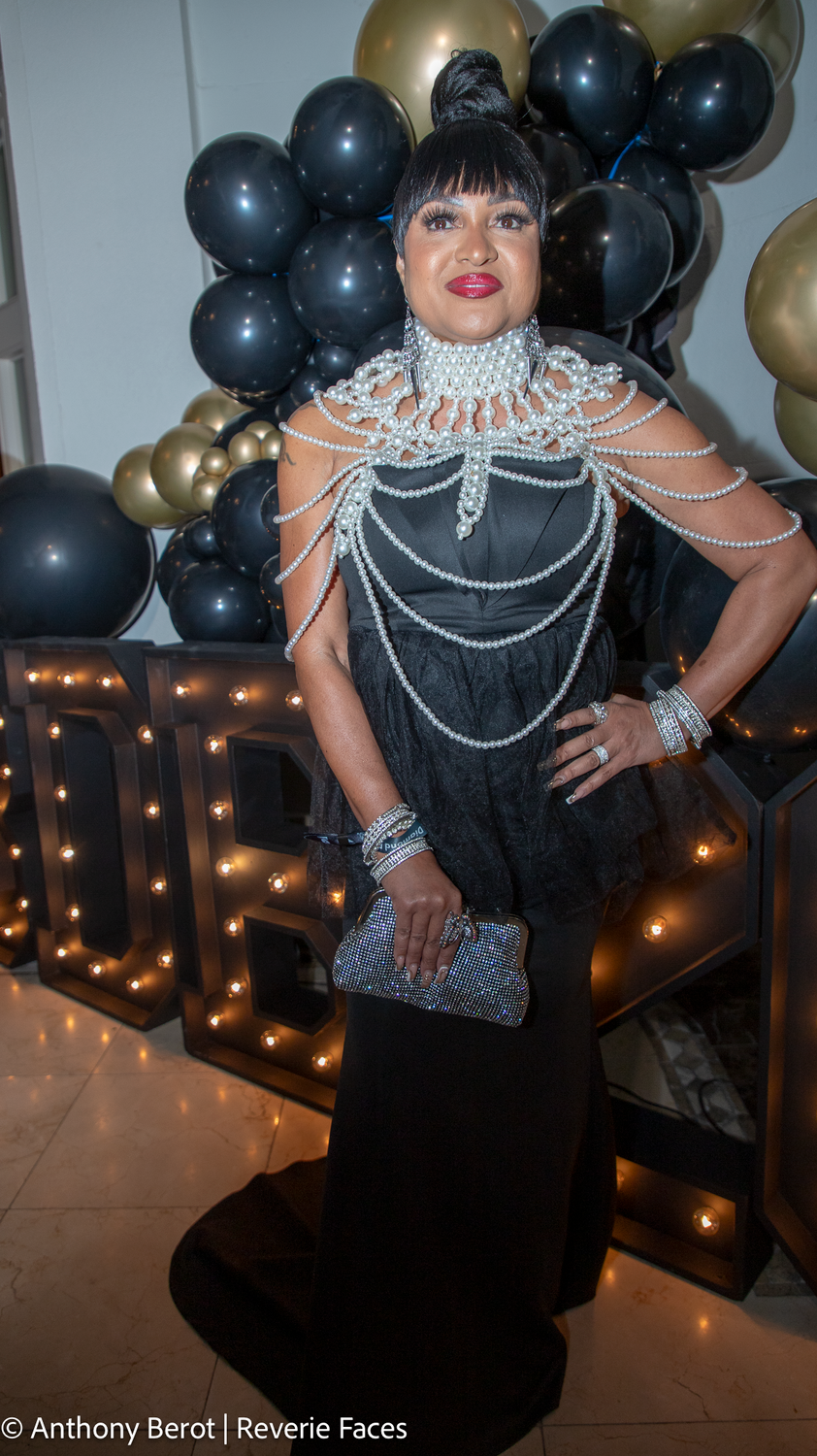
Fashion Month attracts international attention because of its scale, visibility, and commercial influence. But the future of fashion is not determined exclusively by the designers who appear on the world's most prestigious runways.
It is also shaped by independent designers working in small studios, photographers documenting emerging talent, artisans preserving traditional techniques, and creative communities developing their own visual identities. These contributors may not command the same international attention as established fashion houses, but their influence is no less important.
Fashion thrives when different perspectives are allowed to participate. The industry becomes more interesting when creativity is not limited by geography, cultural background, or established expectations. And its stories become richer when we recognize the individuals behind the designs.
The REVERIE Faces Perspective
At REVERIE Faces Journal, we believe fashion deserves to be explored beyond seasonal trends and commercial presentations. Our interest extends to the people, creative processes, and cultural experiences that give fashion meaning.
We see fashion photography as both an artistic practice and a form of visual documentation. Through photography and editorial storytelling, we can celebrate emerging designers, explore cultural influences, and recognize individuals contributing to an increasingly diverse fashion landscape.
As another Fashion Month concludes, we are reminded that the future of fashion will not be defined by clothing alone. It will be shaped by the stories we choose to tell, the creative voices we recognize, and the identities we allow to be seen.
Because fashion is not simply about what we wear. It is also about who we are.
REVERIE Faces Journal explores fashion, photography, creative expression, and the cultural identities that influence contemporary style.
#REVERIEFaces #FashionMonth #FashionAndCulture #FashionPhotography #CulturalIdentity #FashionDiversity #TorontoFashion #EmergingDesigners