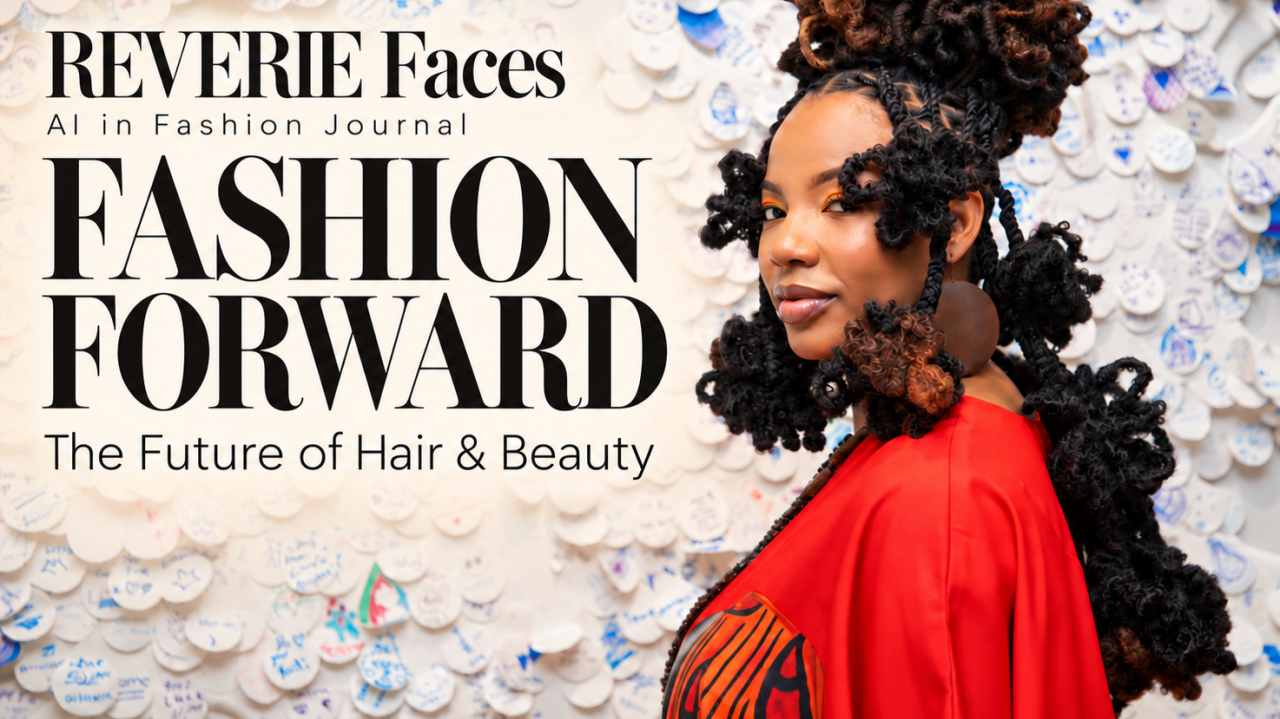
Fashion has always looked forward. Hair and beauty are no different. What once moved primarily from major fashion houses, beauty brands and editorial pages to the consumer now travels in every direction. A hairstylist working from a small studio can introduce a look that reaches thousands. A creator can reinterpret a traditional style and place it before a global audience. An independent beauty entrepreneur can develop a product specifically for a community that major manufacturers once overlooked. And a hairstyle created in Toronto, Kingston, Port of Spain, Lagos, London or New York can travel around the world before the day is over.
For REVERIE Faces, that is where the future becomes interesting. It is not simply about predicting the next hairstyle. It is about watching fashion, culture and technology meet — and seeing what happens next.
Technology Enters the Beauty Chair
Artificial intelligence is rapidly becoming part of the beauty conversation. AI-powered tools can already allow consumers to visualise different hairstyles, colours and makeup looks before committing to a change. Technology can analyse preferences, suggest products and create increasingly personalised beauty experiences.
But does that make the hairstylist less important? We believe it may do exactly the opposite.
Imagine arriving at a salon after experimenting virtually with ten different hairstyles. The technology has shown you possibilities, but it has not touched your hair. It does not fully understand how you carry yourself, how your hair behaves in everyday life or how a particular look makes you feel. That is where the professional enters.
The future stylist may work with technology, not compete against it. AI can help explore the possibilities. The artist still creates the person we ultimately see.
Texture Is No Longer on the Sidelines
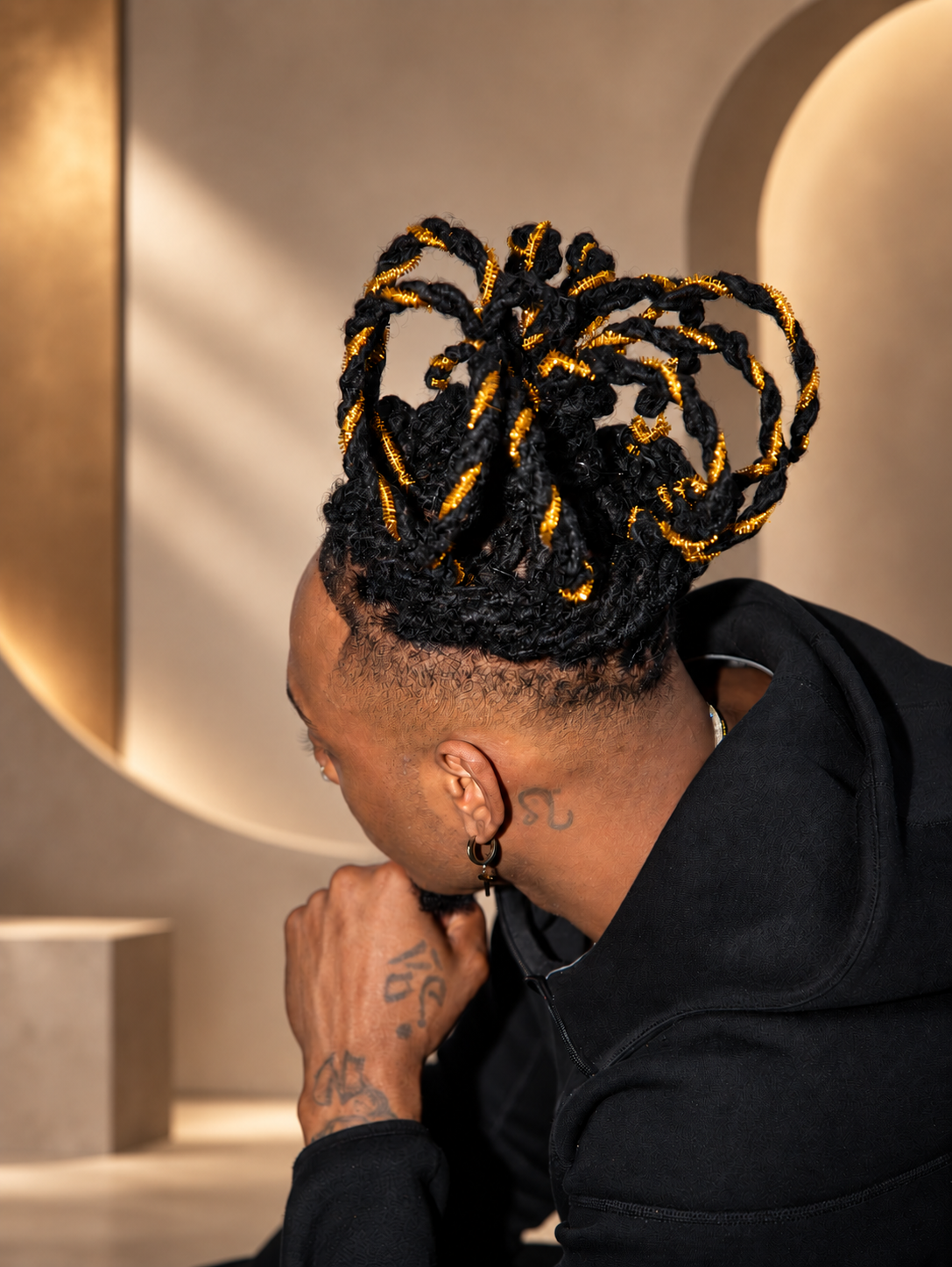
For REVERIE Faces, any discussion about the future of beauty must include textured hair. Curls. Coils. Locs. Braids. Twists. Protective styles. Wigs. Natural hair.
These aren't simply trends waiting for validation from the mainstream fashion industry. Many come from traditions and communities that existed long before today's beauty algorithms, social platforms and international marketing campaigns. Across Caribbean and African diasporic communities, hair can communicate heritage, personality, resistance, celebration, professionalism and identity.
What has changed is visibility. Digital media has given hairstylists and creators working with textured hair an international showcase. Their work can now influence the wider beauty conversation directly rather than waiting to be discovered by traditional fashion media.
That matters. Because the future of beauty should not simply mean using new technology to reproduce yesterday's standards. It should mean expanding the standard itself.
The Runway Is Everywhere
Fashion shows remain important, and REVERIE Faces will continue documenting the designers, models, hairstylists and makeup artists who bring those productions to life. But the runway is no longer the only place where fashion happens.
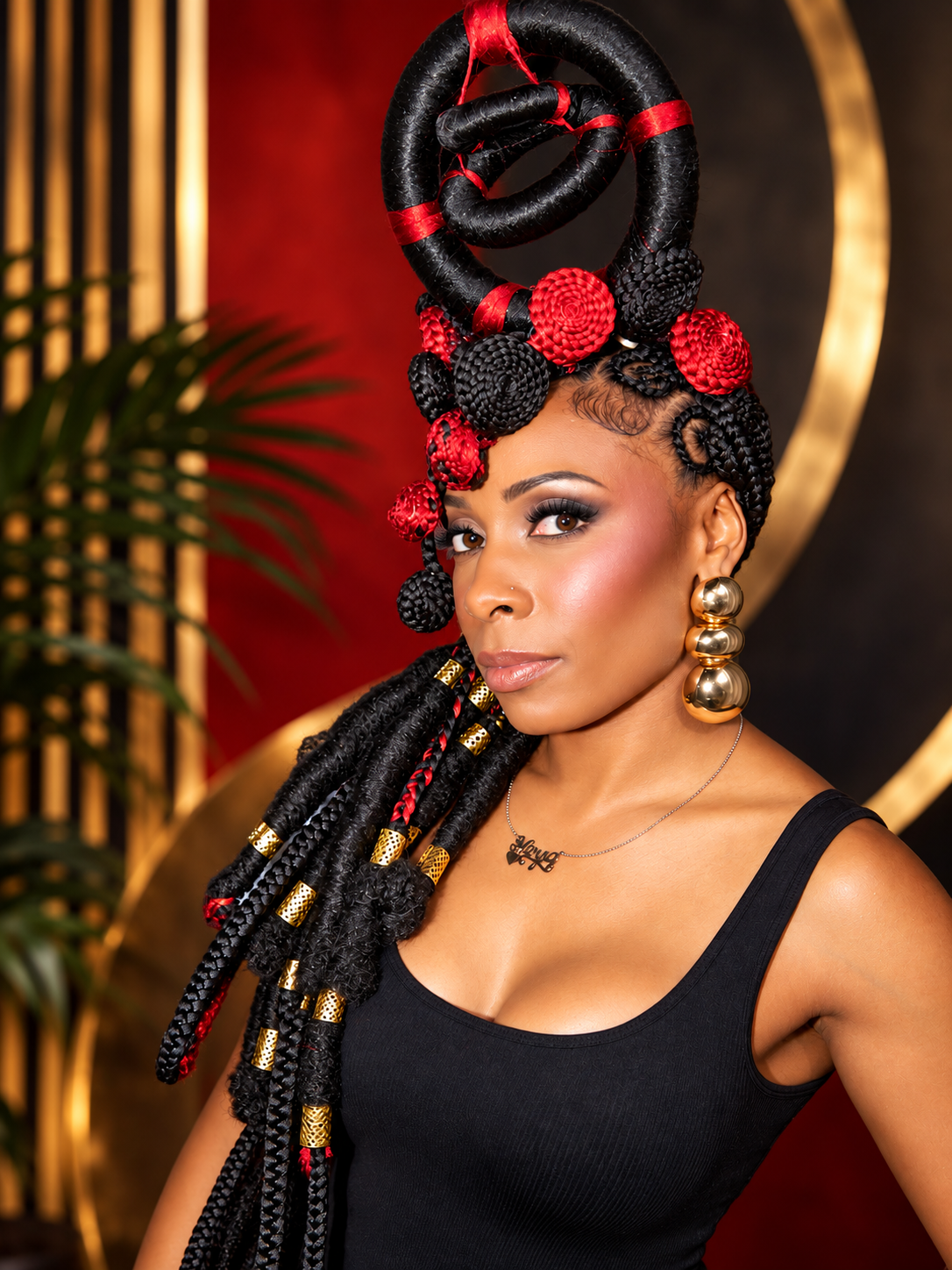
It is on our streets. It is at cultural festivals. It is inside salons and creative studios. It is on social media. And sometimes it is being created by someone whose name the wider industry hasn't discovered yet.
That is one of the reasons photography remains central to REVERIE Faces. A photograph does more than record a finished hairstyle or garment. It documents a creative moment and the people responsible for it.
Those people are part of fashion